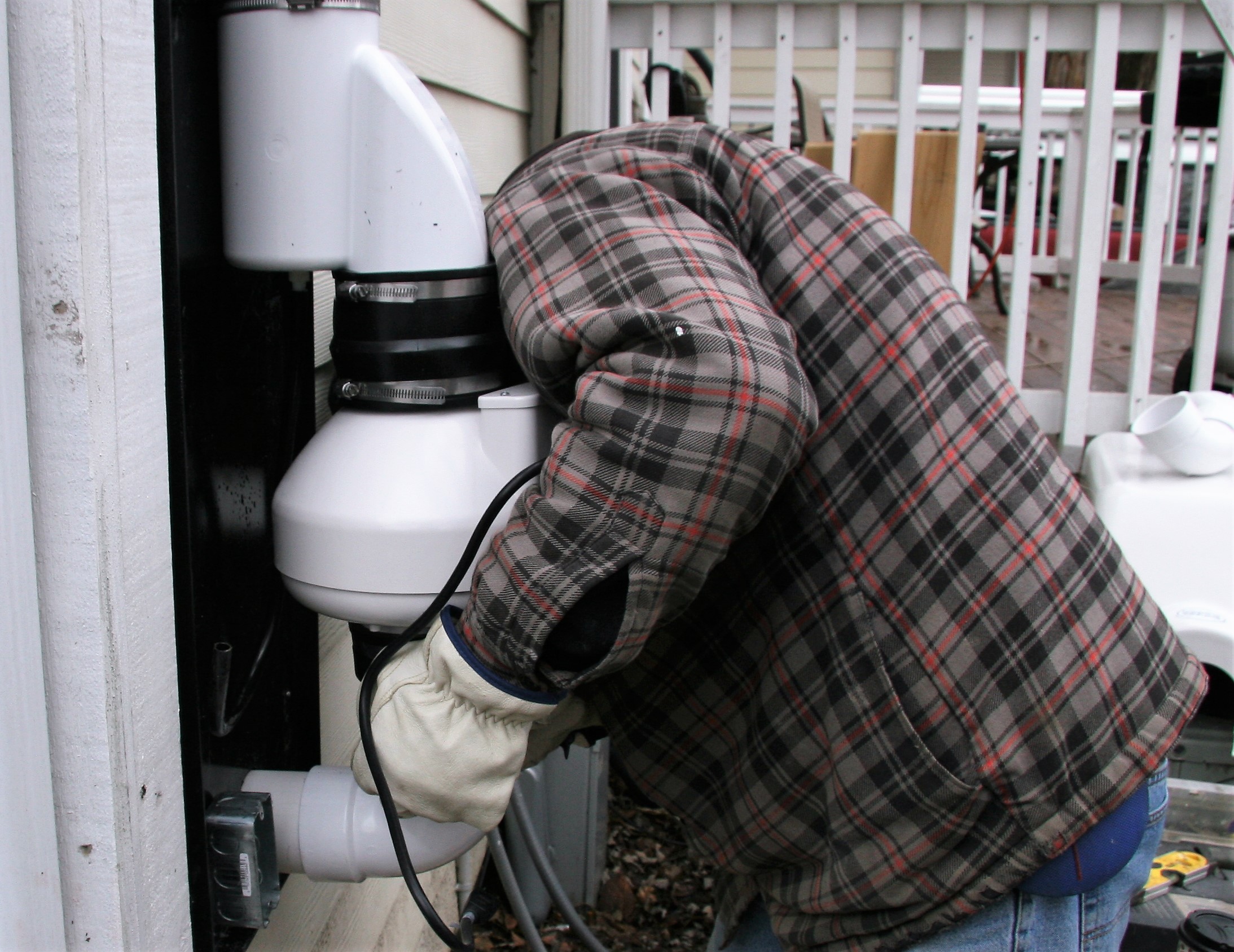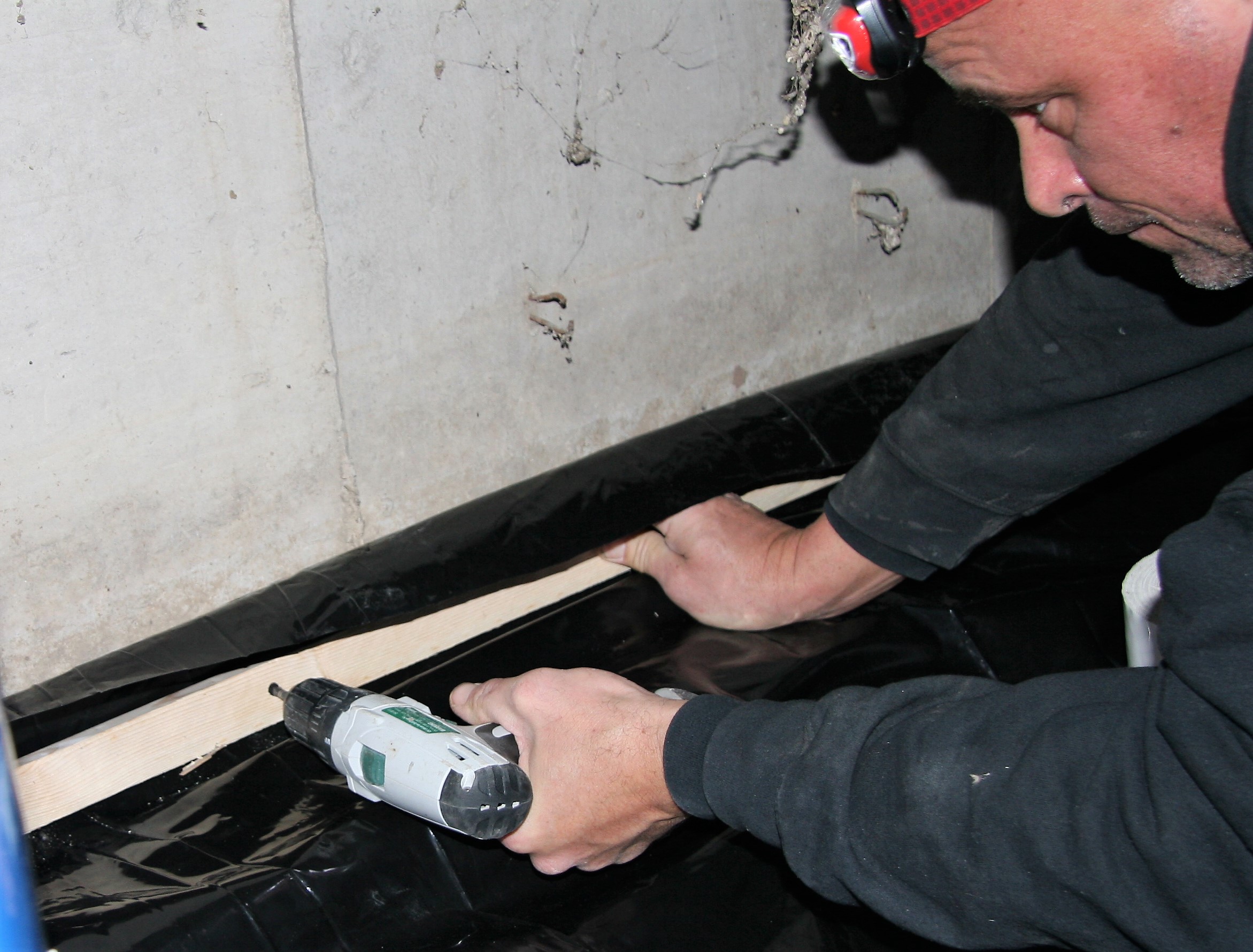






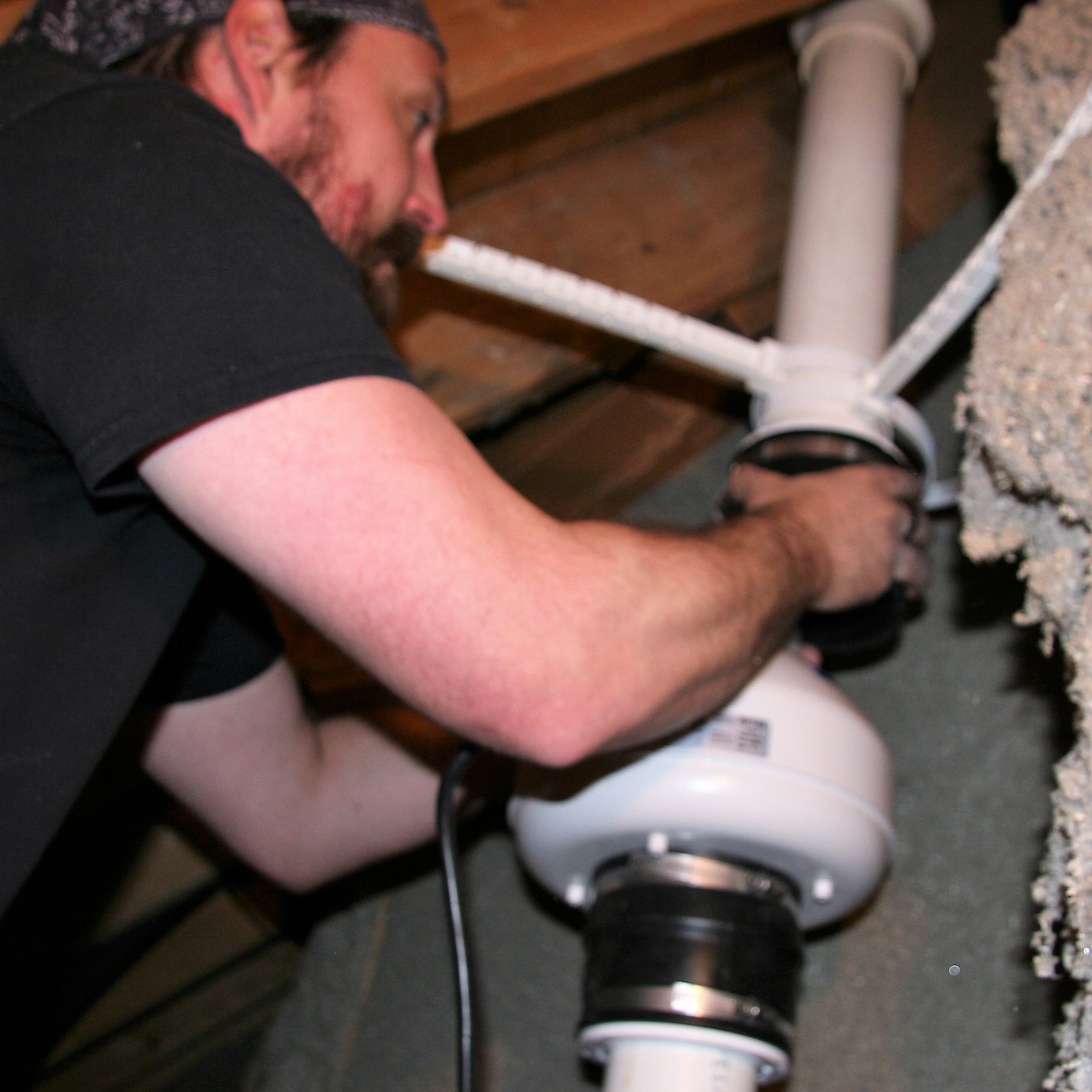
DuPage Radon Contractors has highly trained, expert technicians to service and maintain all radon mitigation systems regardless of whether they installed the system, or it was installed by another radon mitigation contractor. All custom radon mitigation systems require regular inspection and occasional maintenance to ensure correct ongoing function in order to maintain proper indoor radon levels. Our highly trained technicians can perform fan replacement, repairs, re-caulking a sump cover, removal of a system for re-siding, or installing or activating a passive system.
54 Point Inspection & Tune-up
For a single price, DuPage Radon Contractors offers a 54- point radon system inspection and tune-up, including (but not limited to): checking caulking, sump cover(s), suction piping, discharge, fan operation, crawlspace membranes, suction point/floor adhesion(s), pipe bracing, etc. Also, for that price, they touch-up caulk, perform minor repairs and determine if the mitigation system functions properly. Additionally, as part of the package, the technician will provide two home tests to detect radon gas and walk you through the instructions on how to set the tests up.
Radon System Repairs
DuPage Radon Contractor’s radon professionals can make any needed repairs, to restore proper functionality to again reach safer radon levels. This includes replacing worn out radon mitigation fans, re-installing sump pump covers, repairing damaged discharges, updating caulking, repairing broken suction pipes, etc.